Effective Natural Toenail Fungus Care: Healthy Lifestyle Changes
Understanding Toenail Fungus: Causes and Risks
Look, toenail fungus isn’t just a cosmetic issue — it can affect your overall foot health. Many people shrug it off, thinking it’s just a little discoloration. But that little problem can turn into something more serious if ignored.
Toenail fungus, also known as onychomycosis, is caused primarily by fungi that thrive in warm, moist environments. Common culprits include dermatophytes, yeasts, and molds. Factors like poor circulation, diabetes, or even just frequent exposure to sweaty socks can put you at higher risk.
In fact, research suggests that toenail fungus is surprisingly prevalent, affecting about 10% of the population at any given time. A PubMed study indicates that men are more likely to experience this issue than women, and older adults have a greater chance of developing it due to weaker immune systems.
If you live in humid states like Florida or Texas, you might find your risk of toenail fungus is even higher. Moisture can easily accumulate in shoes, especially if they're not breathable. So, make sure to keep your feet as dry as possible.
Understanding the causes and risks associated with toenail fungus is your first step in prevention. Once you know what you're dealing with, you can take proactive steps to protect your feet.
Healthy Foot Hygiene: Your First Defense Against Fungus
Here's the thing: good foot hygiene is your first line of defense against toenail fungus. Many folks overlook their feet, but keeping them clean and dry can make a world of difference. How often do you pay attention to this part of your body?
Daily routines can help keep fungal infections at bay. Start by washing your feet with soap and water every day. Don’t forget to dry them well, especially between your toes, where moisture can easily linger. Neglecting this simple hygiene practice can lead to a fungal feast.
Studies indicate that regular foot cleansing and proper drying significantly reduce the likelihood of fungal infections. A solid hygiene routine can cut down your risk — and that’s backed by research.
Living in states like California or New York, where you might wear sandals often, it’s crucial to prioritize foot hygiene. Sandals expose your feet to more elements, so make sure you’re cleaning them regularly. That little effort can go a long way!
Ultimately, maintaining proper foot hygiene is not just about aesthetics; it’s about keeping your feet healthy. Invest a few extra minutes daily, and your toes will thank you.
Choosing the Right Footwear: Breathability Matters
So, you might not think about it, but the shoes you wear can seriously impact your toenail health. Many people underestimate how important it is to choose breathable footwear. Have you ever felt your feet getting hot and sweaty in your shoes?
Footwear made from synthetic materials can trap moisture, creating a perfect breeding ground for fungi. Research shows that breathable materials, like leather or canvas, allow for better air circulation and moisture evaporation — which is key in preventing infections.
A study published by the Journal of Foot and Ankle Research highlights that wearing breathable footwear significantly lowers the risk of developing toenail fungus. Shoes that promote airflow help keep your feet dry and comfortable.
If you’re in Ohio or Illinois, where winter can limit breathable options, consider wearing socks made from moisture-wicking materials. It’s a simple adjustment that can make a big difference. You might even want to rotate your shoes to avoid keeping them damp for too long!
In short, making smart choices about your footwear can be a game-changer in fungal prevention. Your feet deserve to breathe, so give them the chance!
Diet and Toenail Health: Foods to Include and Avoid
What we eat plays a significant role in our overall health — and that includes our toenails. You might not realize it, but your diet can influence your susceptibility to toenail fungus. So, what’s on your plate?
Foods rich in antioxidants, vitamins, and minerals can boost your immune system, which is essential for fighting off infections. Incorporating fruits, vegetables, and whole grains into your diet can help keep your body strong and ready to combat fungal invaders.
Research indicates a strong link between nutrition and nail health. Studies show that diets lacking in key nutrients can increase the risk of nail problems, including fungal infections. For example, vitamins B and E are important for maintaining healthy skin and nails.
If you’re in sunny Florida, take advantage of fresh fruits and veggies available year-round. Making smoothies with spinach, kale, and berries is an easy way to pack in the nutrients. Just a few good dietary choices can make a world of difference!
Remember, the right foods can have a big impact on your toenail health. By making mindful dietary choices, you can help fortify your body’s defenses against fungus.
Natural Topical Options for Fungal Care: An Overview
Have you ever thought about using natural remedies for toenail fungus? Many people are interested in exploring topical options that don’t involve harsh chemicals. Let’s dive into a few methods that may support your foot care routine.
Natural topical treatments often include ingredients like tea tree oil or coconut oil, which have antifungal properties. Some studies indicate that these oils can help inhibit fungal growth and may be safer alternatives to traditional medications.
For example, a study found that tea tree oil displayed significant antifungal activity, making it a popular choice for those looking for natural solutions.
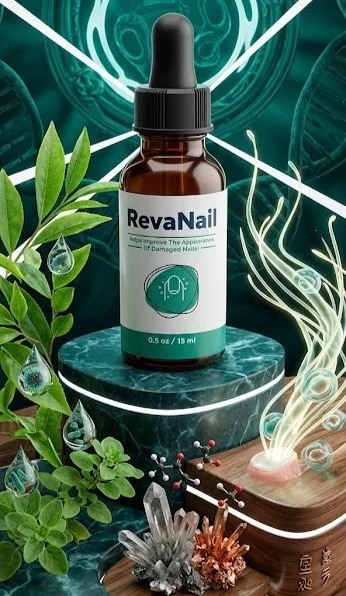
If you’re in California, where natural remedies are celebrated, you might find many options at local health stores. But while exploring these remedies, consider RevaNail, a formula designed to support toenail health with natural ingredients. Natural doesn’t always mean ineffective, but it’s essential to find what works best for you.
In the end, incorporating natural topical options can be a valuable part of your toenail fungus care. Just remember to do your research and consider your own needs.
Lifestyle Changes to Boost Immunity Against Fungus
But here’s the kicker: your lifestyle choices can significantly affect your immunity against toenail fungus. A strong immune system is your best defense! Ever wondered how your daily habits stack up?
Making small changes can go a long way. Regular exercise, adequate sleep, and a balanced diet are all crucial for supporting your immune system. Research suggests that a healthy lifestyle can help your body fend off infections, including fungal ones.
A study published in the Journal of Clinical Immunology found that people who live active lifestyles tend to have stronger immune responses. This means that by making time for physical activity, you’re not just benefiting your body but also your toenail health.
If you’re in a bustling state like New York, setting aside time for daily walks or yoga can help boost your immunity. It doesn’t have to be intense; consistency is key!
Ultimately, embracing these lifestyle changes can enhance your body’s ability to fight off infections. It’s all about giving your immune system the support it needs.
Home Remedies for Toenail Fungus: What Works and What Doesn’t
So, let’s talk about home remedies for toenail fungus. You’ve probably heard a lot of buzz around these, but which ones actually work? Trying to figure this out can be overwhelming.
Many people swear by remedies like vinegar soaks or baking soda pastes for treating toe fungus. Research shows that while some might offer temporary relief, they’re often not a permanent solution. In fact, some studies indicate temporary improvements, but they often don’t eliminate the fungus entirely.
A study in the Journal of Fungal Biology highlighted that some home remedies lack scientific backing and aren’t effective long-term. It’s essential to approach these remedies with caution and not rely solely on them.
If you’re in Ohio, you might hear about various home remedies from friends or family. They can offer useful information, but it’s smart to combine these approaches with proper foot hygiene and consideration of topical options like RevaNail.
So, while some home remedies can provide temporary relief, they often shouldn’t be your only line of defense. Combining them wisely may support your overall toenail health.
Importance of Regular Foot Checks and Early Action
Regular foot checks might not be on your radar, but they’re crucial in catching toenail fungus early. Have you ever thought about inspecting your feet as part of your routine? It’s a small time investment that can save you a lot of trouble later on.
Performing self-exams can help identify any changes in your toenails, like discoloration or thickening. Early detection is key to preventing a minor issue from becoming a larger problem. Research shows that catching fungal infections early often leads to better treatment outcomes.
A study in the Journal of American Podiatric Medical Association pointed out that regular foot exams can significantly reduce the progression of toenail fungus. The earlier you notice a problem, the better chance you have at addressing it effectively.
If you live in Washington state, consider setting a weekly reminder to check your feet. It could be as simple as looking for changes in your nails while you’re watching TV!
In short, making foot checks a regular habit can lead to early interventions and better overall foot health. Don’t let fungal issues sneak up on you!
Managing Stress: Its Role in Fungal Infections
We often talk about physical health, but let’s not overlook mental health, especially regarding fungal infections. Stress can weaken your immune system, making you more susceptible to issues like toenail fungus. Sound familiar?
Managing stress is essential for maintaining not just your mental health but your physical health too. Practices like meditation, deep breathing, or even just spending time in nature can all help reduce stress levels. Research suggests that lower stress levels can lead to stronger immune responses.
A study published in the Journal of Psychosomatic Research found that high stress can lead to increased susceptibility to infections, including fungal ones. So, it’s not just about the body — your mind plays a role too.
If you’re in Florida and find yourself juggling a busy life, try incorporating stress management techniques into your routine. A relaxing walk on the beach or practicing yoga can do wonders for your mental state.
Ultimately, managing stress is a key component of maintaining good health. By focusing on your mental well-being, you’ll make it easier for your body to fight off infections.
When to Consult a Professional: Signs You Shouldn't Ignore
Sometimes, even with the best care, you may need to seek professional help for toenail fungus. Recognizing the signs that something's off is essential. Have you noticed persistent changes in your nails?
Signs that warrant a visit to a healthcare provider include severe pain, significant discoloration, or spreading infection. Ignoring these symptoms can lead to more serious complications, which you definitely want to avoid.
A study from the International Journal of Dermatology emphasizes the importance of early intervention for toenail fungus. The sooner you seek help, the better your chances for effective treatment.
If you’re in Texas and experiencing these symptoms, don’t hesitate to make an appointment with a podiatrist. Taking that step can save you from a lot of discomfort later.
In short, recognizing when to seek professional help is vital for maintaining healthy feet. Don’t wait until it’s too late!
Key Takeaways
- Proper foot hygiene is crucial in preventing toenail fungus.
- Breathable footwear can significantly reduce the risk of fungal growth.
- Diet plays a key role in nail health; certain foods can be beneficial.
- Natural topical treatments, like RevaNail, can be included in your care routine.
- Regular foot checks are essential for early detection of toenail fungus.
- Managing stress can have a positive impact on overall skin and nail health.
References & Sources
- Prevalence of toenail fungus — PubMed
- Impact of hygiene on fungal infections — PubMed
- Footwear and fungal growth — PubMed
- Nutrition and fungal infections — PubMed
- Natural topical treatments for fungi — PubMed
- Lifestyle and immune response — PubMed
- Home remedies for toenail fungus — PubMed
- Foot inspections and treatment — PubMed
- Stress and fungal infections — PubMed
- Signs for professional help — PubMed